Receive Your Free Roof Inspection Now
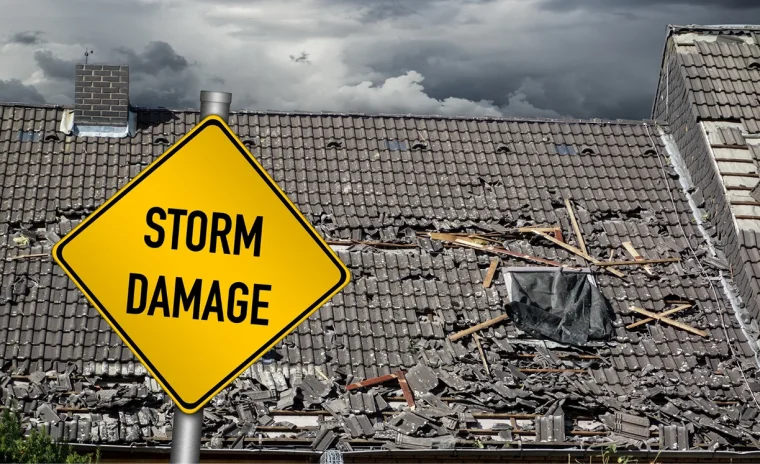
Severe weather can take a toll on your home, and your roof is often the first line of defense. Identifying a storm damaged roof early is essential to protect your property from water damage, structural issues, and costly repairs.
This guide explains the most common types of roof storm damage, how to check for roof damage after a storm, what qualifies as storm damage to a roof, and why scheduling a professional roof storm damage assessment is crucial. You’ll also learn tips on how to protect your roof from storm damage in the future.
Common Types of Roof Storm Damage
Storms can damage roofs in various ways. Understanding these hazards helps homeowners detect problems before they worsen:
- Wind Damage
High winds can lift, crack, or completely remove shingles. Roof edges, ridges, and corners are particularly vulnerable. Loose shingles allow water to penetrate and compromise the underlying structure.
- Hail Damage
Hail can dent metal flashing, puncture shingles, and crack tiles. Even minor hail impacts may not be visible from the ground but can significantly reduce your roof’s lifespan.
- Water Damage
Heavy rainfall can expose vulnerabilities, causing leaks and water stains. Pooling water from blocked gutters or damaged shingles can deteriorate the roof deck and lead to rot.
- Debris Damage
Falling branches, tree limbs, and other debris can puncture roofing material, damage gutters, or dent flashing. Large impacts often require immediate attention to prevent leaks.
- Ice and Snow Damage
Ice dams or accumulated snow can cause pressure on roofing material, crack shingles, and damage gutters. Freeze-thaw cycles may worsen pre-existing weaknesses in the roof.
Understanding these common types of roof storm damage allows homeowners to be vigilant after severe weather events.
How to Tell If Your Roof Has Storm Damage
After a storm, it’s important to know how to tell if your roof has storm damage. Early detection can prevent small problems from becoming major issues.
Visual Inspection from the Ground
- Look for missing, cracked, or curled shingles.
- Check gutters and downspouts for shingle granules or debris.
- Observe dents on metal vents, flashings, and roof-mounted equipment.
Attic Inspection
- Look for water stains, mold, or light penetrating through roof decking.
- Inspect insulation for moisture accumulation.
Roof Surface Inspection (with Caution)
- Only attempt if the roof is safe and stable. Look for loose shingles, punctures, or damaged flashing.
Even if damage seems minor, consider scheduling a professional roof storm damage assessment. Trained experts can identify hidden issues that homeowners may overlook.
What Is Considered Storm Damage to a Roof?
Homeowners often ask, what is considered storm damage to roof? Storm damage typically includes:
- Missing, cracked, or lifted shingles
- Shingle granule loss exposing underlayment
- Dented or punctured metal flashing
- Cracked tiles or shingles caused by hail
- Water intrusion or leaks caused by wind or debris impact
Insurance companies generally cover these types of damages if properly documented and assessed. Proper evaluation by a professional ensures you receive fair coverage for repairs.
How to Check for Roof Damage After a Storm
Knowing how to check for roof damage after a storm can help you respond quickly:
- Conduct a Ground Inspection: Use binoculars to scan the roof for obvious damage.
- Check Gutters and Yard: Look for shingle granules, broken shingles, or debris.
- Inspect Attic Spaces: Look for water stains, damp insulation, or mold growth.
- Photograph Any Damage: Document issues for insurance claims or professional review.
- Call a Professional: Schedule a licensed contractor to conduct a thorough roof storm damage assessment.
Early detection reduces the risk of structural damage, mold, and costly repairs.
Why Professional Roof Storm Damage Assessment Matters
While homeowners can spot obvious damage, professional assessment ensures all issues are identified. Benefits include:
- Comprehensive Inspection: Experts check the entire roof, including hidden areas and flashings.
- Accurate Documentation: Photos and detailed reports support insurance claims.
- Long-Term Solutions: Professionals provide recommendations for repairs, replacement, or preventive measures.
- Safety: Trained roofing contractors use proper equipment and follow safety protocols, reducing the risk of injury.
A professional roof storm damage assessment guarantees that no damage goes unnoticed and repairs are completed correctly.
How to Protect Your Roof From Storm Damage
Prevention is the best strategy to minimize storm-related repairs. Here’s how homeowners can protect their roof from storm damage:
- Regular Maintenance: Inspect the roof twice a year and after major storms.
- Trim Overhanging Branches: Reduce the risk of debris damage during wind or ice storms.
- Upgrade Materials: Consider impact-resistant shingles or reinforced flashing for storm-prone areas.
- Clean Gutters and Downspouts: Proper drainage prevents water pooling and ice dam formation.
- Reinforce Flashing and Sealants: Ensure that roof penetrations around chimneys, vents, and skylights are secure.
Proactive measures extend the life of your roof and reduce repair costs after severe weather.
When to Call a Professional
Even if damage seems minor, it’s wise to contact a professional roofer if you notice:
- Missing or heavily damaged shingles
- Water stains or leaks in ceilings or attic spaces
- Dents in metal flashing or roofing equipment
- Shingle granules in gutters or yard
- Sagging roof areas
A licensed contractor can perform a thorough roof storm damage assessment and recommend the best course of action, whether it’s minor roof leaking repair or a full roof replacement.
Conclusion
Storms can strike quickly, leaving behind storm damaged roof areas that threaten your home’s safety and value. Knowing how to tell if your roof has storm damage, understanding what is considered storm damage to roof, and knowing how to check for roof damage after a storm are essential for homeowners.
Professional roof storm damage assessment is critical to ensure all damage is identified, documented, and repaired properly. Coupled with preventive measures and regular inspections, professional guidance helps maintain a durable, reliable roof and protects your home from costly water damage.
Don’t wait, after severe weather, inspect your roof, document any issues, and schedule a professional assessment to safeguard your home.
Protect your home today, contact us today at (800) 380-8161 for a thorough roof storm damage inspection and professional repairs.